
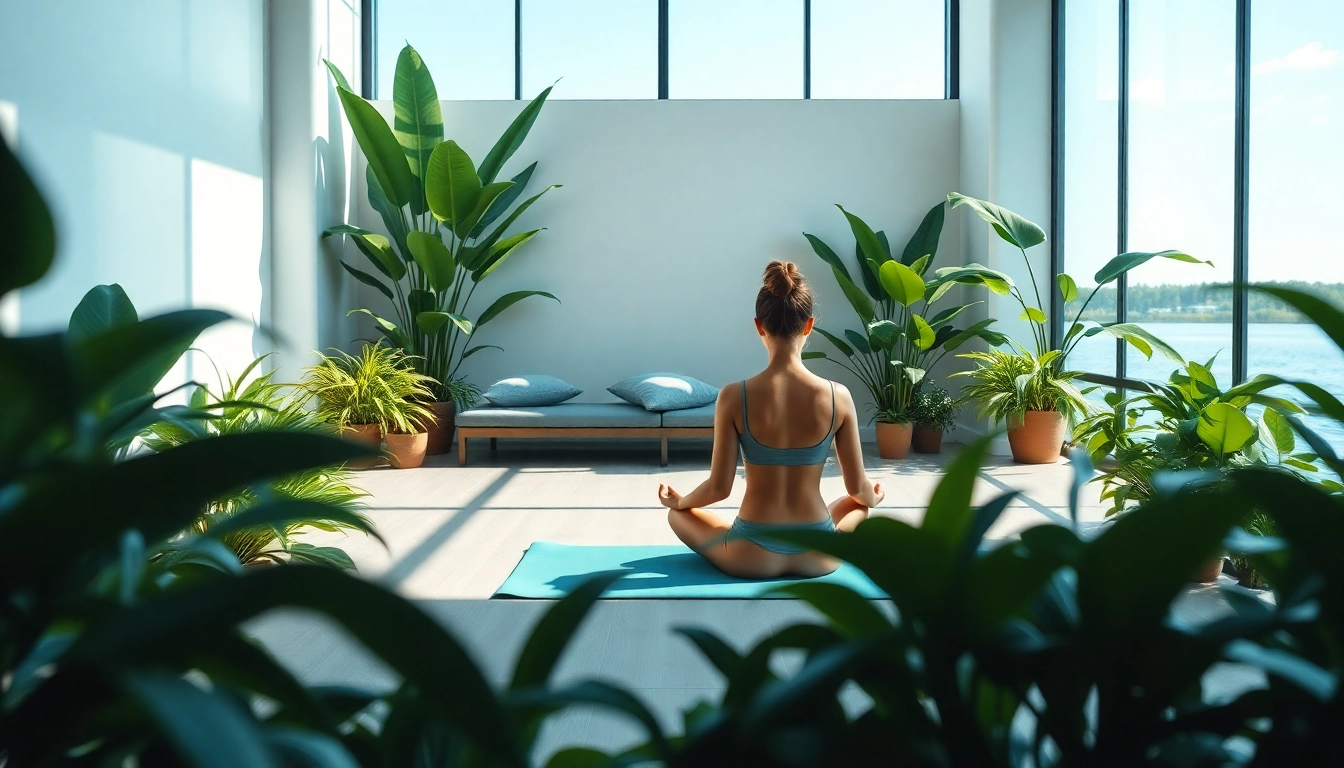
Understanding the Roots of Stress and Anxiety
In today’s fast-paced world, stress and anxiety have become common companions for many individuals. Whether stemming from personal, professional, or societal challenges, understanding their roots is crucial in effectively managing these emotional states. The following sections will delve into common triggers, the scientific basis behind these feelings, and how to recognize the symptoms they present.
Common Triggers of Stress and Anxiety
Stress and anxiety can arise from various sources, often intertwining in complex ways. Here are some frequent triggers:
- Work-related pressures: Tight deadlines, heavy workloads, and conflicts with colleagues can lead to feelings of stress.
- Financial concerns: Money management and the fear of financial instability can significantly contribute to anxiety.
- Life changes: Significant transitions such as moving to a new city, changing jobs, or going through a divorce often provoke stress and anxiety.
- Family issues: Conflicts within family dynamics or caring for ill family members may result in elevated stress levels.
- Health concerns: Both chronic conditions and acute health issues can heighten anxiety and stress due to uncertainty and fear of outcomes.
The Science Behind Stress and Anxiety Responses
The physiological and psychological responses to stress and anxiety are rooted in our biology. The body’s natural reaction involves the activation of the fight-or-flight response, triggered by perceived threats. This leads to the release of stress hormones such as adrenaline and cortisol, which prepare the body to confront or flee from danger. However, in modern life, this can lead to chronic stress when individuals are constantly facing non-physical threats.
Neuroscience has shown how these responses affect both brain function and overall well-being. Over time, prolonged exposure to stress hormones can result in brain structure changes, impacting memory and emotional regulation. Furthermore, individuals with anxiety disorders may exhibit heightened responses to stress, even with minor triggers.
Recognizing Symptoms and Effects
Awareness of stress and anxiety symptoms is vital in managing their effects on daily life. Common symptoms include:
- Physical symptoms: These can range from headaches and muscle tension to gastrointestinal issues and fatigue.
- Mental symptoms: Anxiety often manifests as excessive worrying, indecisiveness, and difficulty concentrating.
- Emotional symptoms: Those experiencing stress may feel irritable, restless, or overwhelmed.
- Behavioral changes: Individuals may withdraw socially, avoid certain situations, or develop unhealthy coping mechanisms like substance abuse.
Healthy Lifestyle Changes to Combat Stress and Anxiety
Implementing lifestyle changes is one of the most effective ways to manage stress and anxiety. These changes not only promote mental well-being but also improve physical health, creating a holistic approach to managing these overwhelming feelings.
Nutrition’s Role in Stress Management
Nutrition plays a pivotal role in mental health. A well-balanced diet that includes a variety of nutrients can influence mood and stress levels. Foods rich in omega-3 fatty acids, such as fish and walnuts, have been shown to help reduce anxiety. Additionally, complex carbohydrates found in whole grains can stabilize blood sugar levels, which can minimize mood swings.
Hydration is equally important; drinking enough water can help maintain focus and clarity, reducing feelings of fatigue and irritability. It’s advisable to limit caffeine and sugars as these can exacerbate stress symptoms.
Exercise as a Natural Antidepressant
Regular physical activity serves as a powerful tool for combating stress and anxiety. Exercise increases the production of endorphins, often referred to as the body’s natural feel-good hormones. It also improves sleep patterns, enhances self-esteem, and reduces stress levels.
Studies have shown that even moderate exercise, such as walking or yoga, can effectively reduce feelings of anxiety. Integrating a consistent workout routine tailored to individual preferences can produce long-term emotional and mental benefits.
Establishing a Relaxation Routine
Creating a daily relaxation routine can be immensely beneficial in mitigating the effects of stress and anxiety. This routine may include practices such as:
- Yoga: Enhances physical and mental well-being through mindful movement and breath control.
- Progressive muscle relaxation: Involves tensing and relaxing muscle groups to reduce tension.
- Journaling: Writing about thoughts and feelings can help to process emotions and clarify stressful situations.
Consistency in these practices can help create a sense of calm and control in one’s life, directly combating the feelings associated with stress and anxiety.
Mental Health Techniques for Stress and Anxiety Relief
Mental health strategies are essential for effectively managing stress and anxiety. By engaging in deliberate practices, individuals can enhance their emotional resilience and overall mental health.
Mindfulness and Meditation Practices
Mindfulness involves staying present in the moment, which can provide peace amid turmoil. Regular mindfulness practices, such as meditation, can help individuals gain clarity and reduce anxiety.
Mindfulness-based stress reduction (MBSR) programs have shown promise in alleviating symptoms of anxiety and stress. To start, individuals can engage in simple breathing exercises or guided meditations, allowing their thoughts to flow without judgment.
Cognitive Behavioral Techniques
Cognitive Behavioral Therapy (CBT) focuses on identifying and altering negative thought patterns that contribute to stress and anxiety. Techniques include reframing negative thoughts and challenging cognitive distortions. By recognizing unhelpful thought patterns, individuals can work towards more balanced thinking, leading to reduced distress.
Breathing Exercises to Alleviate Tension
Breathing exercises are powerful tools for reducing immediate stress. Techniques such as deep diaphragmatic breathing encourage relaxation by stimulating the parasympathetic nervous system, which counters the stress response. Simple steps include inhaling slowly through the nose, holding for a few seconds, and exhaling gently through the mouth.
Seeking Professional Help for Severe Stress and Anxiety
While self-help strategies are beneficial, the importance of seeking professional help cannot be overstated, especially when stress and anxiety become debilitating.
Recognizing When to Seek Help
It can be challenging to discern when stress and anxiety have escalated to a level that requires professional intervention. Signs include persistent feelings of hopelessness, overwhelming anxiety that impedes daily functioning, and thoughts of self-harm. If experiences of stress and anxiety interfere with relationships or work, reaching out for help becomes crucial.
Types of Therapy and Their Benefits
Various therapeutic options can be effective for managing stress and anxiety. Common types include:
- Individual therapy: Provides a safe space for exploring emotions and developing coping strategies.
- Group therapy: Facilitates shared experiences and collective support amongst peers facing similar challenges.
- Cognitive Behavioral Therapy (CBT): As discussed, CBT has proven effective in changing negative thought patterns and behaviors.
Medication Management for Stress and Anxiety
In some cases, medication may be necessary to manage the symptoms associated with stress and anxiety. Professionals may prescribe medications like selective serotonin reuptake inhibitors (SSRIs) or benzodiazepines, depending on the severity and duration of symptoms. Medication should always be approached with caution and under a doctor’s supervision.
Creating a Support System for Managing Stress and Anxiety
A robust support system can make a significant difference when managing stress and anxiety. The emotional backing of loved ones and community resources can foster resilience and healing.
Building Connections with Loved Ones
Connecting with family and friends provides an essential emotional outlet. Engaging in regular conversations, sharing experiences, or simply spending time together can alleviate feelings of isolation and loneliness. Open communication regarding feelings of stress can further enhance these relationships and cultivate understanding.
Joining Support Groups
Participating in support groups allows individuals to share experiences with others facing similar challenges. These groups can provide insights, coping strategies, and a sense of belonging. Both online and in-person options are available, accommodating different preferences.
Leveraging Online Resources for Assistance
In today’s digital age, numerous online resources can support individuals in managing stress and anxiety. Websites, mobile apps, and forums provide access to information, communities, and services that cater to mental health needs.
FAQs About Stress and Anxiety
1. What are the main causes of stress and anxiety?
Common causes include work pressures, financial issues, health concerns, and significant life changes. Understanding your individual triggers is key.
2. How can exercise help with stress and anxiety?
Exercise releases endorphins, improves mood, and helps reduce the physiological effects of stress. Even simple activities like walking can be beneficial.
3. When should I seek professional help for my stress and anxiety?
Seek help if you’re experiencing persistent symptoms that interfere with daily functioning, relationships, or overall well-being.
4. What lifestyle changes can reduce stress and anxiety?
Implementing a balanced diet, regular physical activity, relaxation routines, and consistent sleep can significantly impact stress management.
5. What is mindfulness, and how can it help?
Mindfulness is the practice of staying present and fully engaging with the current moment, which can reduce anxiety and promote emotional well-being.

