
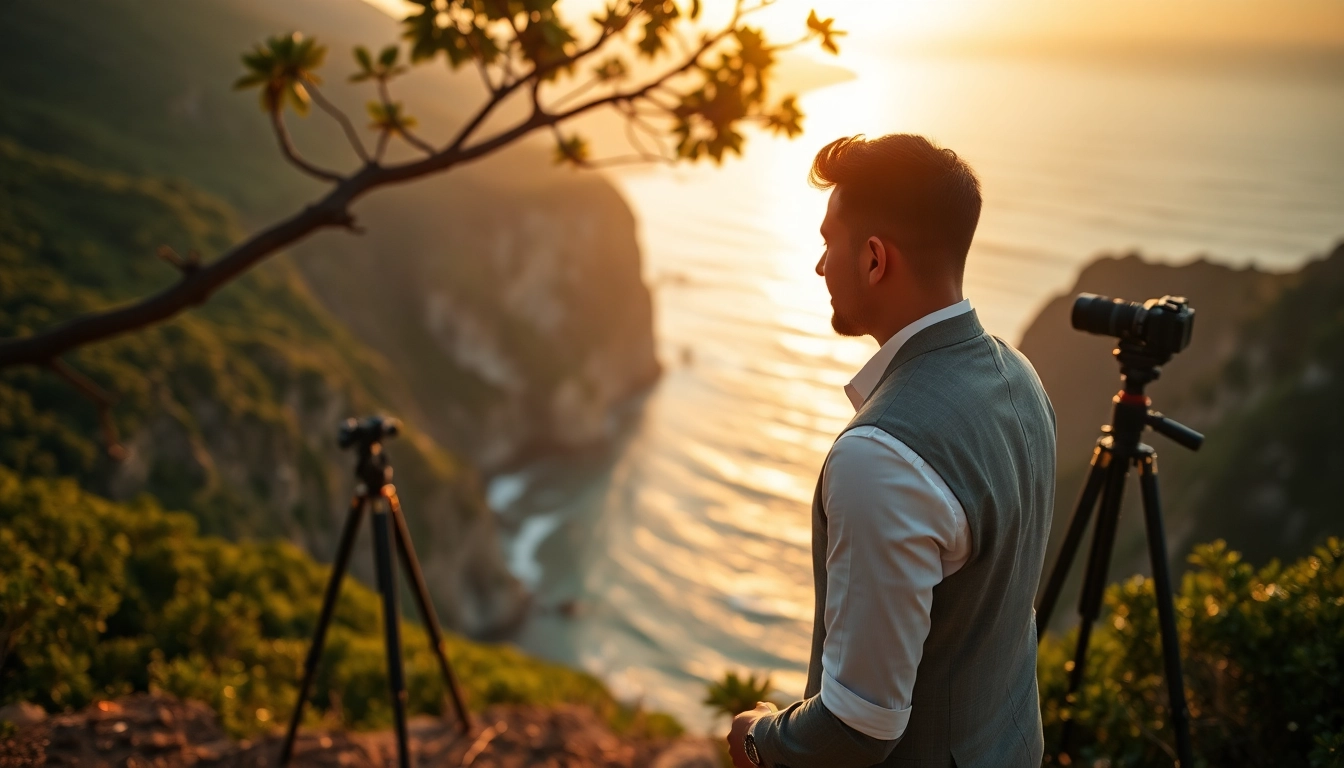
Understanding the Role of a Destination Photographer
Definition of Destination Photographer
A Destination photographer specializes in capturing fleeting moments in vibrant, picturesque settings away from their home base. Unlike traditional photographers who may operate within a fixed studio or specific location, destination photographers travel to picturesque locales to capture unique stories, either for clients or for personal portfolios. Their work often spans a variety of events, including weddings, corporate retreats, and even family holidays, showcasing not only the events themselves but also the inherent beauty of the chosen destination.
Key Responsibilities and Skills Required
The responsibilities of a destination photographer extend beyond mere photography. They must first cultivate an understanding of the client’s vision while considering the location’s unique characteristics. Essential skills include:
- Creativity: Innovating new ways to tell stories through imagery.
- Technical Proficiency: Mastery of camera equipment and editing software.
- Communication: Ability to interact with clients and locals efficiently.
- Planning: Effectively organizing shoots by scheduling and managing time zones and travel logistics.
- Adaptability: Responding to unforeseen circumstances at diverse locations.
Why Choose Destination Photography?
Choosing destination photography offers clients a chance to blend their special moments with breathtaking backdrops. It provides a unique, immersive experience for both the subjects and the photographer. These stunning settings create visuals that are not just memories but works of art. Additionally, hiring a destination photographer ensures that the essence and intrinsic characteristics of a location are skillfully captured, providing a more authentic representation of the occasion.
Planning for Destination Shoots
Researching Locations and Venues
Conducting thorough research is crucial when planning destination shoots. It involves more than simply selecting a visually appealing location; you must also consider logistical factors such as accessibility, local culture, and potential challenges. Familiarizing yourself with locations through surveys, online databases, or previous client experiences can save time and enhance planning efficiency.
Creating a Shooting Schedule
A shooting schedule helps maintain a structured workflow during destination shoots. It involves outlining specific timings for travel, setup, and shoots, as well as contingency plans. Including significant moments for logistics—such as event beginnings or breaks—ensures that every essential aspect is covered. Flexibility is also vital since aspects like light conditions can change rapidly in different locations.
Permits and Legal Considerations
Destination photographers must be aware of necessary permits and legalities pertaining to photography in various locales. Securing permits is essential for public sites, while private venues may have specific rules that must be adhered to. Ignoring these steps can result in fines or even being banned from shooting in that area, making knowledge about local rules imperative.
Technical Aspects of Destination Photography
Essential Gear for Success
Equipping oneself with the right gear is non-negotiable for a successful destination shoot. Essential items include:
- Cameras: A primary and backup camera is crucial to avoid missing shots.
- Lenses: Utilize a variety of lenses to accommodate different distances and perspectives, such as wide-angle for landscapes and macro for details.
- Lighting Equipment: Portable flash and reflectors can help counteract unpredictable natural light.
- Storage Media: Ensure sufficient memory cards and backup solutions with ample storage.
- Tripod: A sturdy tripod is invaluable for long exposure or low light scenarios.
Understanding Lighting Conditions
Lighting varies significantly by location and time of day. Awareness of these factors allows photographers to optimize their work. For instance, golden hour—shortly after sunrise or before sunset—provides flattering, diffused light ideal for many types of photography. Recognition of backlighting, harsh sunlight, and weather changes will enable photographers to modify their techniques, including exposure settings and the angles of their shots.
Camera Settings for Unique Locations
Tailoring your camera settings to different environments is vital. High dynamic range (HDR) photography may be necessary in vividly contrasted settings, while low-light situations may require a higher ISO setting. Understanding how to adjust shutter speed, aperture, and ISO to match specific scenarios ensures that the resulting images are sharp, well-exposed, and evocative of the destination itself.
Enhancing Your Portfolio as a Destination Photographer
Building a Visual Narrative
An engaging portfolio is built on storytelling. Highlight varied elements of each destination through compelling narratives in your photography, from candid moments to grand landscapes. Curate your portfolio to reflect not just a range of skills but also a cohesive story that showcases the depth and versatility of your work—essentially inviting viewers into each geographical space you’ve captured.
Testimonials and Client Interactions
Collecting feedback from clients is invaluable for growth and credibility. Encourage satisfied clients to provide testimonials, focusing on their experience and the final result. Displaying these prominently, along with before-and-after comparisons of your work, can create a more compelling case for potential clients exploring your services as a destination photographer.
Utilizing Social Media Effectively
Social media platforms are powerful tools for destination photographers. Regularly sharing stunning visuals can engage audiences and promote services. Utilizing platforms like Instagram offers opportunities to connect with fellow photographers and clients. Hashtags and geo-tags can increase the visibility of your posts, drawing in potential clients searching for the specific service of destination photography.
Common Challenges and How to Overcome Them
Dealing with Unpredictable Weather
Weather can significantly affect destination photography. To mitigate this risk, monitor weather forecasts leading up to the shoot and prepare for various conditions. This might mean bringing weather-resistant gear or planning alternate shots that play up the moody atmosphere, allowing flexibility and creative adaptation during the shoot.
Adjusting to Local Customs and Practices
Being aware of local customs is crucial when photographing in foreign places. Research cultural norms and practices ahead of time, and remain respectful. Engaging with the locals can provide insights that enhance your experience and potentially benefit your photography. Being sensitive to cultural nuances will also result in more authentic and respectful images.
Budgeting for Destination Shoots
Budgeting effectively is essential for sustained success as a destination photographer. Costs may include travel, accommodation, permits, and equipment transportation. Developing a budgeting template can help estimate expenses accurately. Monitoring your budget ensures that you can invest in quality experiences without overspending, allowing for greater flexibility in your services.
Frequently Asked Questions
What should I consider when choosing a destination photographer?
Focus on their portfolio, experience, and how well they communicate your vision, ensuring they understand the locale.
How can I prepare for a destination shoot?
Research the location, create a detailed itinerary, and ensure all necessary equipment is packed and checked.
What are the travel requirements for a destination photographer?
Travel arrangements may include visas, accommodations, and local transportation, which should be planned well in advance.
How can I ensure quality in diverse locations?
Scout locations ahead of time and familiarize yourself with the best lighting traditions and angles to capture valuable moments.
What should I include in my photography contracts?
Contracts should detail expectations, cancellation policies, and payment terms to protect both client and photographer.